




Alumni
Connecting you with past networks, present insights and tomorrow's potential.
As members of our alumni network, you represent the enduring spirit of our firm.
We invite you to remain an active part of our evolving story. Engage with us, share your journey and continue to be an integral part of our vibrant and supportive community. Through this site you can stay in touch with former colleagues, keep up to date with upcoming alumni events and hear the latest news and information from Allens.
If you haven't already signed up for our alumni program, register today.
After Allens
After Allens, our alumni continue to thrive in diverse fields. Here we share their inspiring journeys and accomplishments.
If you are (or know of) an Allens alum with a story to tell, please let us know.

Michael Rodrigues
NSW 24-hour Economy Commissioner

Jayde Geia
Owner
BROSISCUS jewellery

Wayne Wang
Partner
Zhong Lun Law Firm

Anna Brown
Chief Executive Officer
Equality Australia

Matt Thomas
Deputy Head of Legal, Building
Lendlease

Amanda Richman
Ethics Analyst
Australian Ethical Investment, Sydney

David Brewster
Legal Director
Coles Group, Melbourne

Siobhan Lancaster
Founder
Instatruck, Perth

Adrian Fisher
Partner, Asia Head of TMT
Linklaters, Singapore

Fiona Reid
Principal, Accredited Specialist in Family Law
Reid Family Lawyers, Sydney

Sheree Rubinstein
Co-Founder
One Roof, Melbourne
People

Moments shaping our future
From technological change and healthcare breakthroughs to the critical minerals boom and increased litigation complexity, we talk to some of the people who have their fingers on the pulse.

Reflections and projections: insights from Linklaters partners
Linklaters partners (and Allens alumni) Ross Schloeffel and Nicole Meyer recently visited Australia. We caught up with them to get their views on the alliance, global energy and infrastructure trends, and how they stay connected with alumni.

Our 2023 Values Awards
See the full list of winners and nominees and join us in celebrating the people who have made outstanding contributions to the firm by living our values in 2023.
Work

AI Governance Toolkit for General Counsel and Boards
Safety and security are big questions posed by generative AI. We've been asking what we can and should do about it, and our recent AI Governance Toolkit for General Counsel and Boards has proven especially useful for clients.
Seizing opportunities in the energy transition
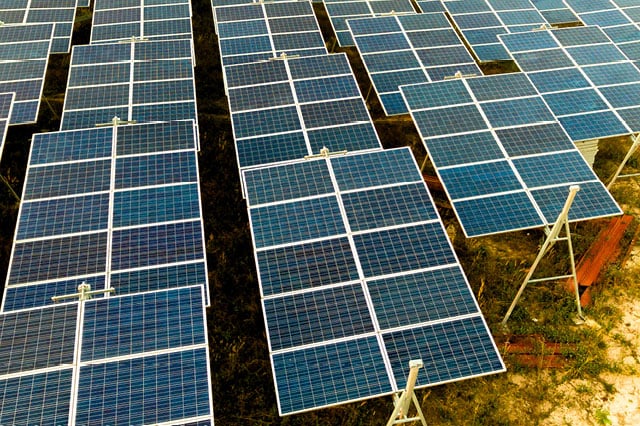
Our experts continue to do great work on Australia's energy transition, advising everyone from large energy consumers and power producers, to infrastructure owners and developers, to private capital investors and government. You might be interested in a guide we recently prepared that breaks down the key elements of the energy transition and is continuously updated to reflect major changes.

Recent work with clients
Explore how our work shapes the legal landscape and positively influences the communities and clients we serve.
News

2023 Chambers results
Allens has been named a leader (band one) across 19 practice areas in Chambers Asia Pacific 2024. The firm's expertise in a further 23 areas was also acknowledged, including a debut ranking for climate change across the Asia Pacific region.

CPD
Those still practising will be eager to see our next round of CPD intensives, which kicks off in February 2024. We have an amazing lineup of topics and speakers, including: Doing business in 2024: geopolitics and global economic forces; Contract Law update; Ethical decision-making during a crisis; and Generative AI: Where to from here?

Introducing Airlie
This year we introduced our own version of OpenAI's GPT models - 'Airlie' - designed to streamline and assist our people with a wide range of tasks. We asked Airlie to write to you - our alumni.
Register for our Alumni program, or update your details
The Allens Alumni program will keep you up to date on news at the firm and our people. Importantly, it will allow us to hear from you.
Your privacy: Allens collects your personal information so we can provide and market services to you. Your information may be shared with other members of the Allens Group both in Australia and overseas. You have a right to access certain personal information that we collect and hold about you. You may contact us at PrivacyCompliance@allens.com.au. Further information is available on this page.